
Why Plastic Packaging Is Still Dominating the Global Market
Why Plastic Packaging Is Still Dominating the Global Market
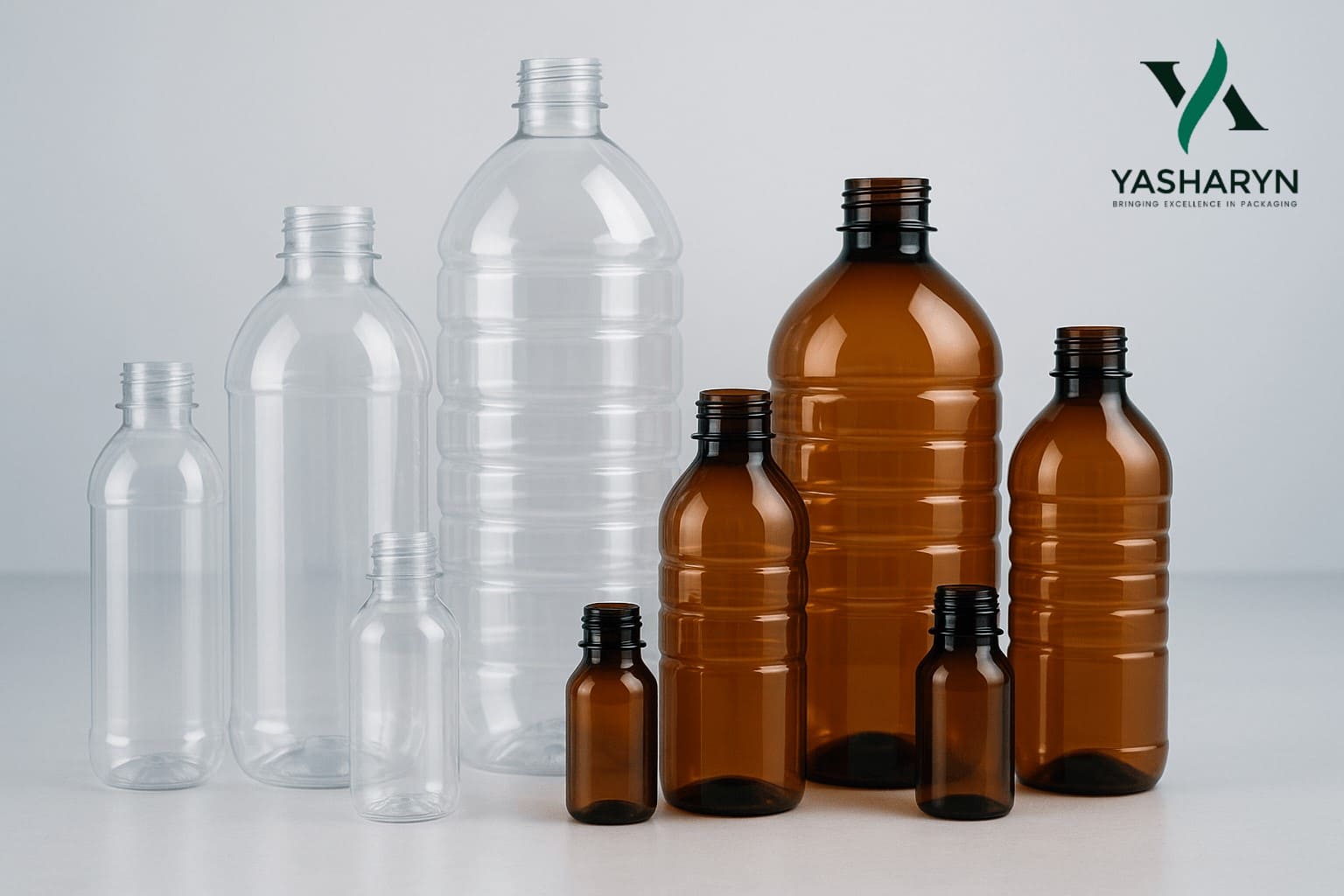
When you look around with careful eyes, you will see a lot of things around you made using plastic. It could be the water bottle beside your laptop, the shampoo in your bathroom, the cough syrup in your medicine cabinet, or even the honey jar in your kitchen. So, it is everywhere.
Over 70% of all consumer packaging globally is made from plastic in some form, according to industry estimates.
So, we know that it is widely relied upon. And, this widespread reliance has directly increased the demand for high-quality pet bottle manufacturers in India, as the country is a major supplier.
Let’s now discuss why there is such a reliance and what keeps plastic ahead of glass, metal and paper. The answer lies in a combination of science, logistics and real-world practicality.
The Ubiquity of Plastic Packaging
Plastic packaging rose to prominence in the late 20th century when industries began searching for materials that were lightweight, safe, affordable and scalable. Unlike glass or metal, plastic can be moulded into virtually any shape and produced at industrial speeds.
Interesting fact:
A single PET mould can produce millions of identical bottles annually, ensuring consistency at scale.
Today, plastic packaging plays a critical role across multiple industries:
|
Industry |
Common Plastic-Packaged Products |
|
Food & Beverages |
Water, edible oils, honey, and sauces |
|
Pharmaceuticals |
Syrups, tablets, capsules |
|
Personal Care & Cosmetics |
Shampoos, lotions, talc powders |
|
FMCG & Household |
Detergents, cleaners, daily essentials |
This unmatched versatility has made plastic packaging indispensable and continues to fuel global demand for PET and HDPE solutions.
Why Plastic Is the Most Preferred Packaging Material
Plastic isn’t dominant due to availability – it solves multiple business and consumer problems.
Lightweight Advantage
Plastic containers weigh up to 90% less than glass, and that reduces fuel consumption and logistics costs.
Interesting fact:
When we replace glass with plastic packaging, it can cut transportation-related carbon emissions by 30–40%.
Durability & Break Resistance
Unlike glass, plastic doesn’t shatter. This significantly reduces product loss during transit and improves consumer safety.
Cost Efficiency at Scale
Mould-based plastic manufacturing allows millions of units to be produced with minimal variation, which is ideal for FMCG and pharma brands.
Ease of Transportation & Storage
Plastic containers stack efficiently, need less protective packaging and are easier to warehouse.
These advantages explain why Indian manufacturers and PET bottle suppliers are preferred partners for brands operating at scale.
PET Packaging: The Backbone of Modern Plastic Packaging
PET (Polyethylene Terephthalate) is the most widely used plastic in packaging and for good reason.
Why PET Is Widely Used
|
Property |
Why It Matters |
|
High clarity |
Builds consumer trust through visibility |
|
Strength-to-weight ratio |
Strong yet lightweight |
|
Food & pharma compatibility |
Safe for sensitive products |
|
Recyclability |
Supports circular economy goals |
Interesting fact:
PET can be recycled multiple times without any significant loss of quality.
Common PET Packaging Applications
- Beverage bottles
- Pharmaceutical syrups
- Honey and edible products
- Cosmetic and personal care liquids
PET’s adaptability allows brands to balance safety, aesthetics and performance. This is where pet bottle manufacturers in India can keep quality high and produce large volumes for global markets.
The Role of Indian PET Bottle Manufacturers in Global Supply
India has rapidly grown into a major PET manufacturing hub, driven by strong domestic demand and export growth.
Key reasons behind India’s rise:
- Advanced injection and blow-moulding technology
- ISO-certified quality systems
- Custom mould development capabilities
- High-volume, consistent production
Interesting fact:
Today, pet bottle manufacturers in India supply packaging to Asia, Europe, the UK, the USA and the Middle East.
The ability of Indian manufacturers to create scalable, good-quality and cost-efficient solutions has positioned India as a reliable global packaging partner.
Sustainability & the Evolution of Plastic Packaging
Modern plastic packaging is evolving rapidly to address environmental concerns.
Key Sustainability Trends
- Recyclable PET and HDPE materials
- Lightweighting, which reduces plastic usage without compromising strength
- PCR (Post-Consumer Recycled) plastics, used based on application needs
Interesting fact:
Lightweighting a bottle by just 1 gram can save several tonnes of plastic annually at large production volumes.
Responsible manufacturers now focus on material optimisation and waste reduction so that plastic remains viable in a sustainability-driven future.
Plastic Packaging vs Alternatives: A Practical Comparison
Here’s how plastic stacks up against common alternatives:
|
Criteria |
Plastic (PET/HDPE) |
Glass |
Metal |
Paper |
|
Lightweight |
✔️ |
❌ |
❌ |
✔️ |
|
Break Resistance |
✔️ |
❌ |
✔️ |
❌ |
|
Cost Efficient |
✔️ |
❌ |
❌ |
✔️ |
|
Custom Shapes |
✔️ |
❌ |
❌ |
❌ |
|
Transport Friendly |
✔️ |
❌ |
❌ |
✔️ |
|
Recyclable Options |
✔️ |
✔️ |
✔️ |
✔️ |
|
Food & Pharma Safe |
✔️ |
✔️ |
✔️ |
❌ |
The Future of Plastic Packaging
Plastic packaging is not being replaced; it’s being refined.
Emerging trends include:
- Smart packaging for tracking and authentication
- Advanced sustainable resins
- Continued growth in food, pharma and FMCG demand
- Rising export-driven packaging requirements
Interesting fact:
The global plastic packaging market is projected to grow steadily through the next decade, driven largely by the pharma and food sectors.
Conclusion
As demand rises, reliable pet bottle manufacturers in India play a pivotal role in supporting global supply chains with export-ready, quality-driven solutions.
Yasharyn Packaging Private Limited, based in Ludhiana, Punjab, supports this ecosystem with ISO 9001:2008–certified manufacturing, customised PET bottle solutions, sustainable material options and global export capabilities.
Are you looking for dependable PET packaging solutions?
Connect with Yasharyn Packaging Private Limited to explore packaging that meets today’s needs and tomorrow’s expectations.